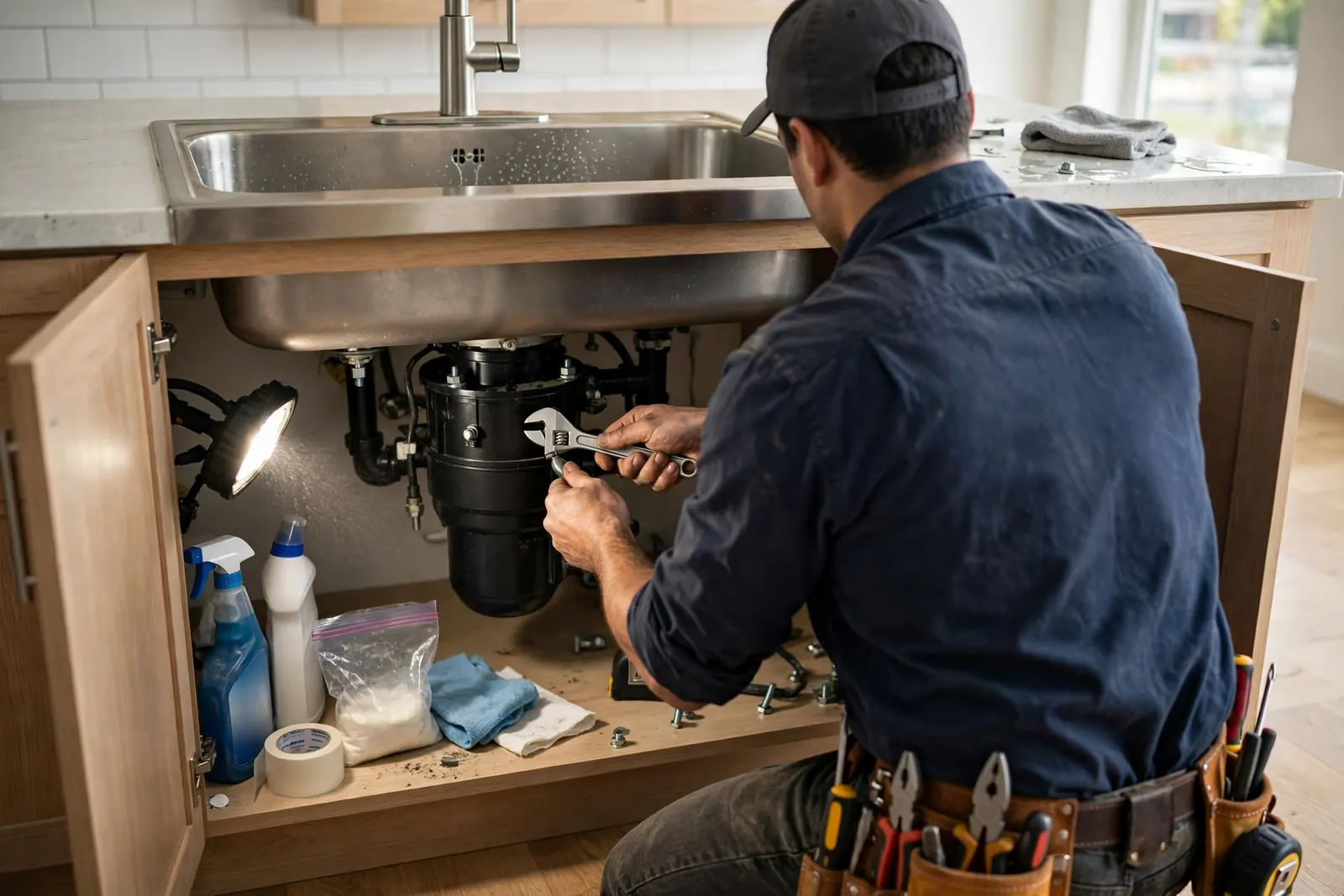
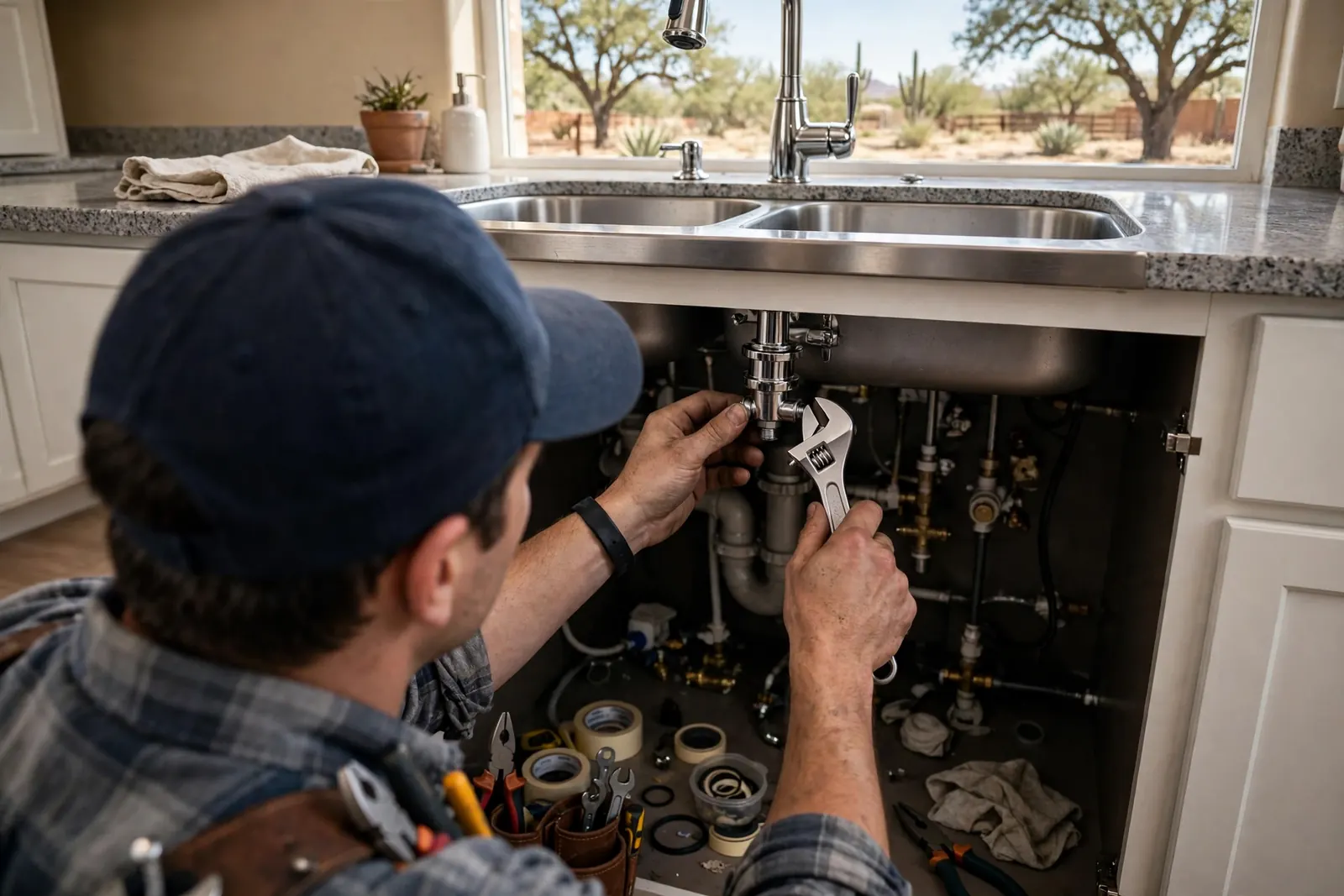
For homes and rentals
We install kitchen, bathroom, and utility sinks in houses and rentals. We work around your schedule and test every connection before we leave.
- Cracked or leaking basin
- Remodel sink swap
- Frozen shutoff valves
Sink installation is the professional fitting of a new kitchen or bathroom sink in a Mount Pleasant, TX home. A new sink should sit level, drain cleanly, and never weep at the trap. NTP Plumbing installs kitchen and bathroom sinks across Mount Pleasant, TX — trap set, disposal connected, tested before we leave. Open 24 hours, Monday through Sunday.
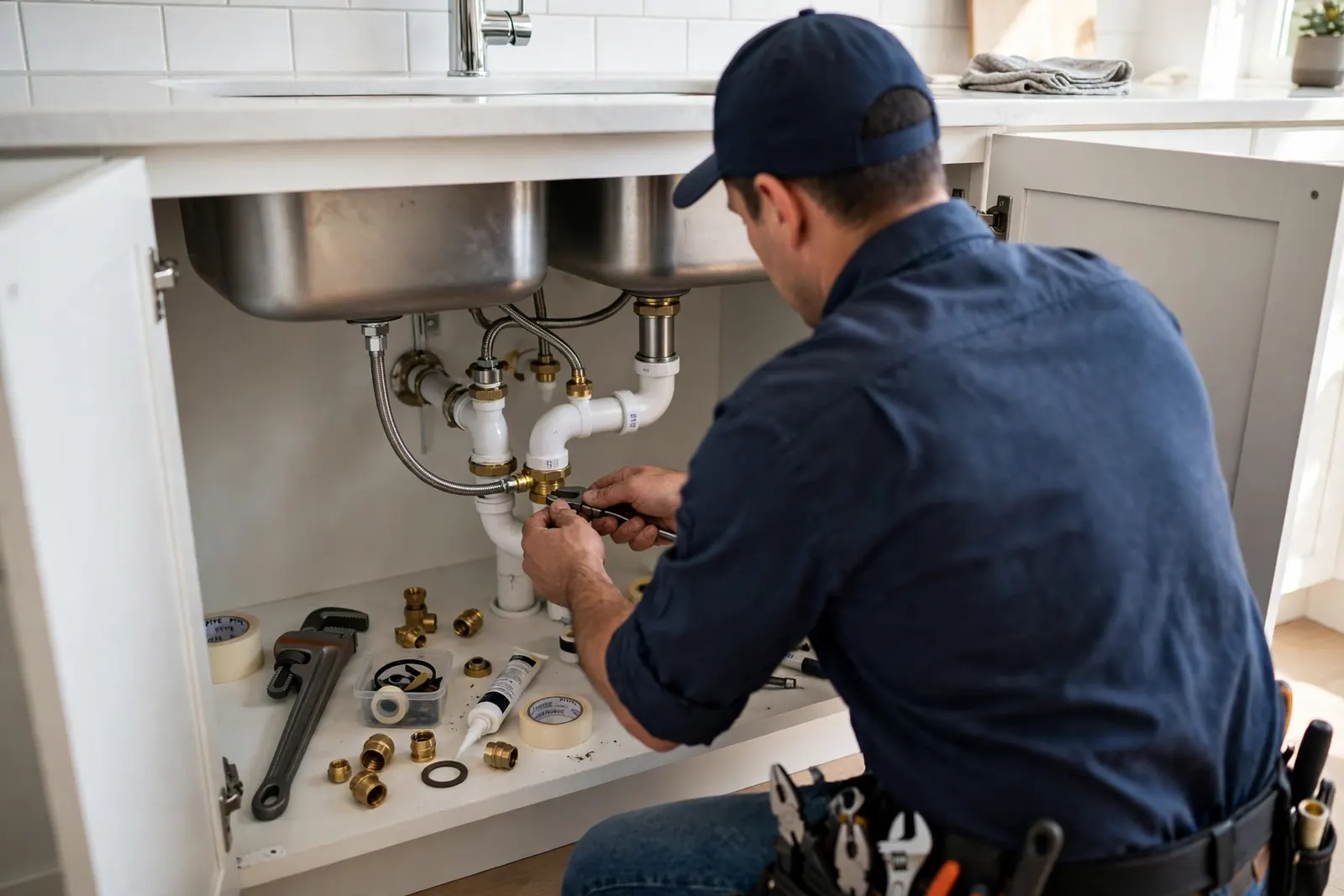 New sinkTrap setTested dry
Every sink installation job includes the labor and standard materials to remove the old sink, set the new one, connect the plumbing, and test it. If we find a problem under the cabinet, we tell you before we fix it. Here is what is covered.
We disconnect the supply lines and drain, cut the old sealant, and lift the old basin out. The old sink goes with us, so you are not stuck trying to haul a cast iron sink to the curb.
We set the sink in silicone or mount it with the correct clips, level the basin, and seal the rim. Undermount and farmhouse sinks get the cutout checked against the template before anything is set.
We connect the drain, P-trap, supply lines, and shutoff valves. If the old valves are frozen or the supply lines are brittle, we replace them with new braided lines and quarter-turn valves.
If you have a new faucet, we install it with the sink. We connect the sprayer, the supply lines, and the drain assembly, and check the aerator for debris before we turn the water on.
We run hot and cold water, fill the basin, and drain it while checking every connection with a flashlight. If anything drips, we fix it before we leave.
We wipe down the counter, clean the cabinet, and take the old sink and packaging with us. You get a working sink and a clean kitchen or bathroom when we walk out the door.
A kitchen sink and a bathroom sink install differently — one is the trap and the disposal, the other is the pop-up and the overflow — but the checks at the end are the same in a home and a rental. What changes is the access, the schedule, and who needs the paperwork for a sink installation job.
We install kitchen, bathroom, and utility sinks in houses and rentals. We work around your schedule and test every connection before we leave.
We handle sink installs in rental units. We schedule around tenant access and send photos of the finished work for the property file.
A plain-language look at what Sink Installation involves and when it is needed. The City of Mount Pleasant charges a $75 residential plumbing permit fee where a permit is required (inside city limits) — that is a City fee, not our price.
See how it worksInstalling a sink means setting the basin level, sealing the strainer, connecting the trap and — in the kitchen — the disposal and dishwasher drain. Then the tap runs while we watch every joint: the strainer, the trap, the disposal connection and the supply lines. A sink that weeps at the trap on day one will rot the cabinet within a year, so the test matters as much as the fit.
Most installs in Mount Pleasant, TX are kitchen refreshes in Downtown homes and Southgate ranches, and finish work in Northwood, Stone Briar and Deer Park Estates new builds. In older homes the drain under the sink is often galvanised and the trap can be corroded; we check it while the old sink is out, because that is the only cheap moment to deal with it. Sink installation work follows the 2024 International Plumbing Code adopted by the city.
A sink install is a trap job with a basin on top of it.
Every job follows the same five steps, whether it is a kitchen sink or a single bathroom vanity. You get a walk-through before we start and a water test before we leave.
We look at the existing sink, the cabinet base, the shutoff valves, and the drain line. Then we shut off the water and protect the counter and floor. This tells us whether the old valves need replacing before we start.
We cut the silicone or release the clips, disconnect the supply lines and drain, and lift the old basin out. If the old drain line is corroded cast iron or the shutoff valves are frozen, we flag it before going further so there are no surprises.
We clean the old sealant off the counter, check the cutout against the new sink template, and test-fit the basin. Supply lines, the P-trap, and the shutoff valves get checked or replaced here. A new sink install often needs new braided supply lines.
We bed the sink in silicone or set the undermount clips, connect the faucet, supply lines, and drain, and tighten everything to spec. The P-trap gets aligned so it does not stress the drain stub. This is where a careful install saves you a callback.
We run hot and cold water, fill the basin, and drain it while checking every connection underneath. If it is dry, we clean up, haul off the old sink, and walk you through what we did.
Move across a circle, or focus it and press Enter, for an illustrative thermal view of this sink installation photograph.
Used to break loose old drain fittings and supply connections without rounding the nuts. We carry two sizes so we can work in tight cabinets.
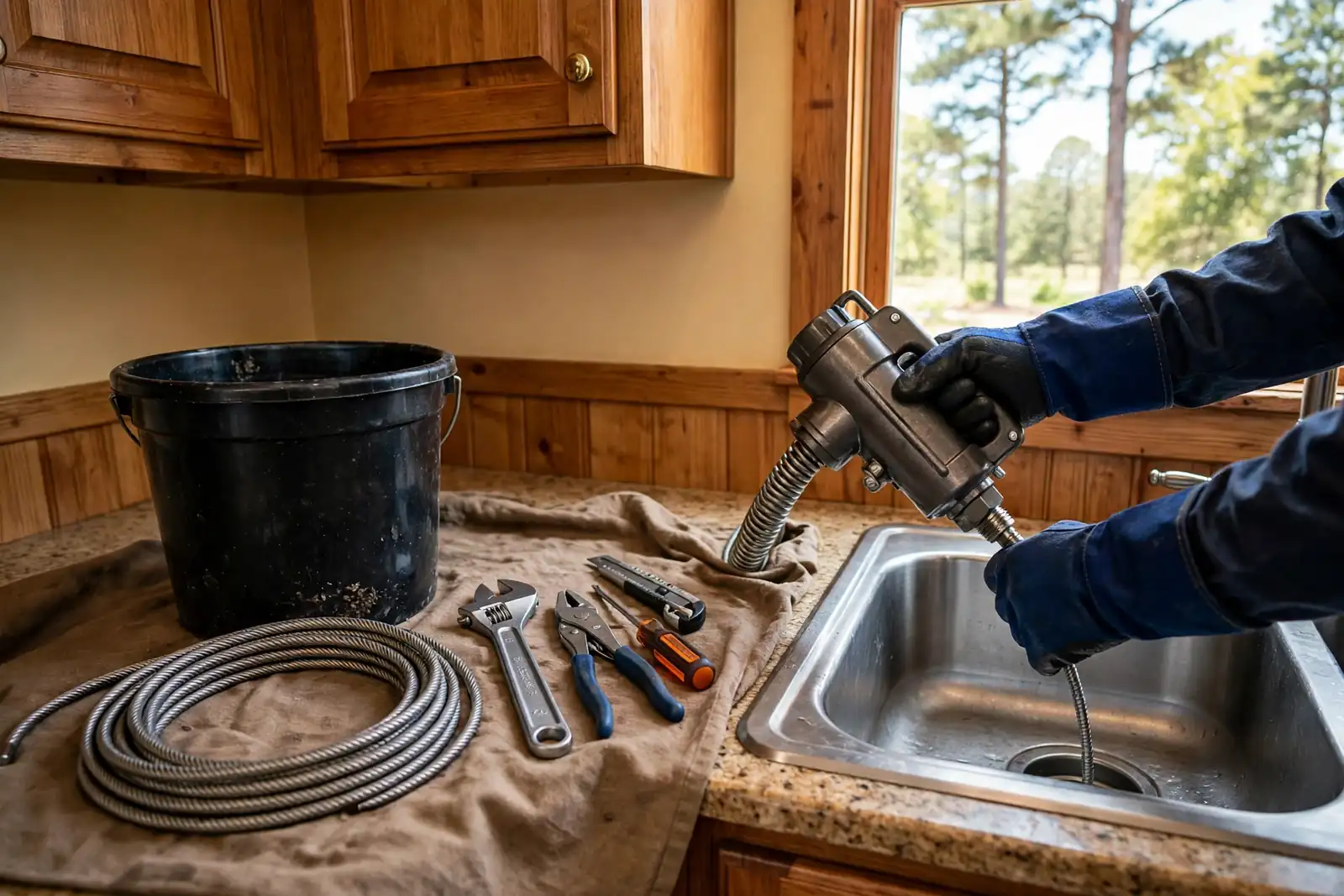
Clears clogs in the trap arm and branch line before the new sink goes in. A clogged drain is the most common reason a new sink drains slow.
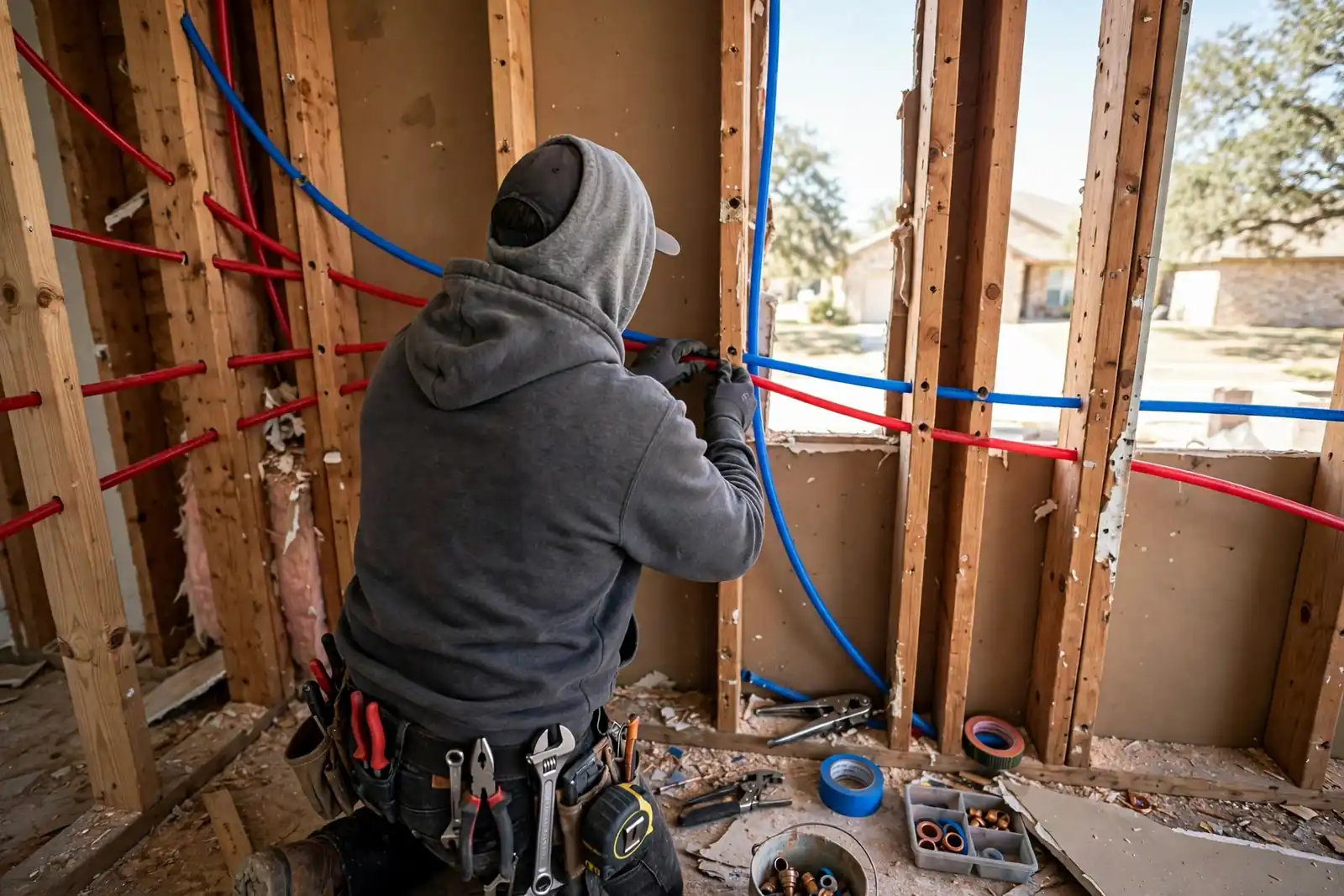
Makes secure connections on PEX tubing when we replace a supply line or shutoff valve. The crimp ring gives a mechanical connection that holds pressure.
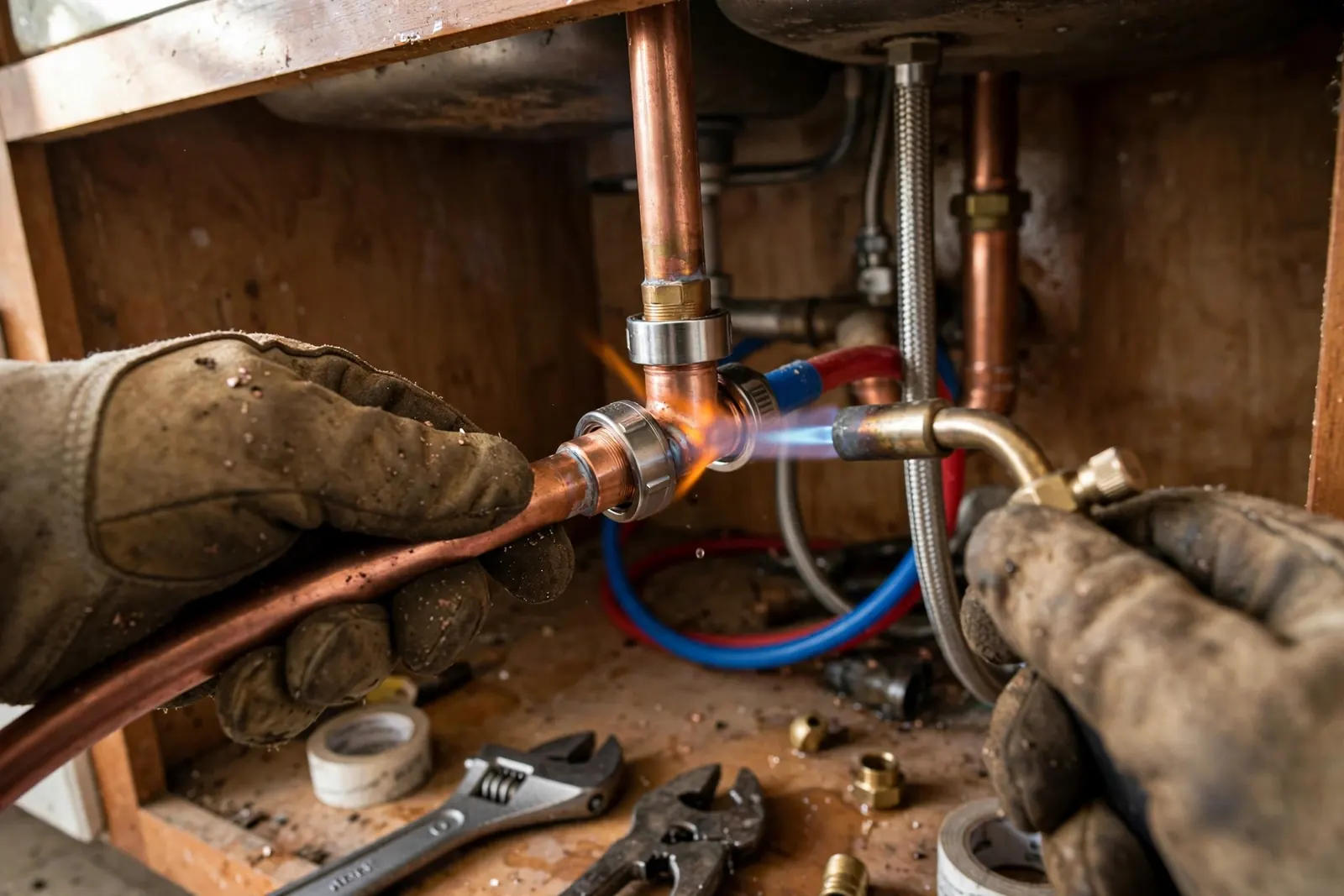
Cuts copper and PEX clean and square so fittings seat properly. A square cut is the difference between a leak-free joint and a drip.
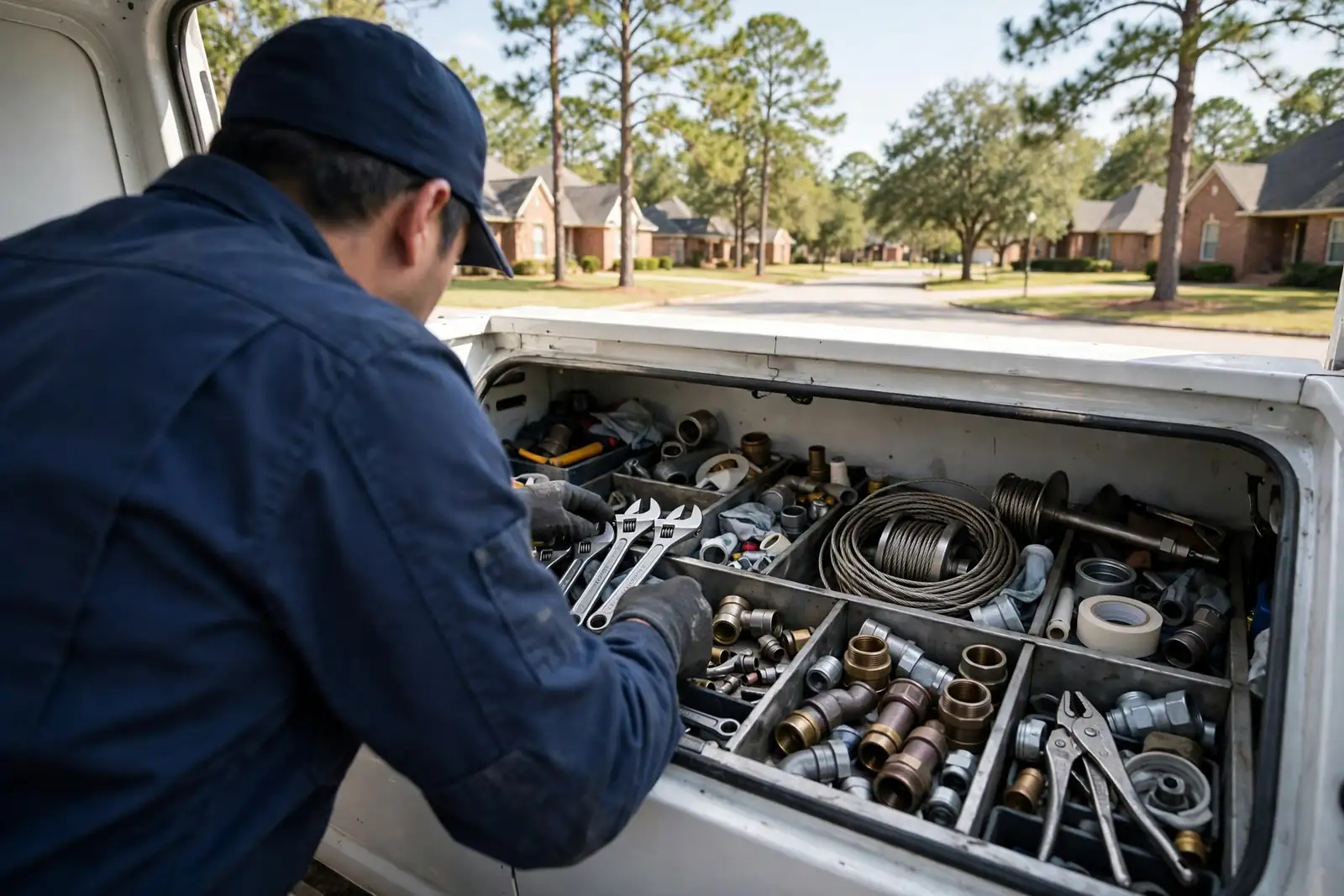
Checks the house water pressure before we connect the new sink. High pressure can stress supply lines and cause leaks at the fittings.
Thermal views are illustrative, generated from photographs of sink installation work in Mount Pleasant, TX.
Used when a sink backs up and we suspect a bigger line problem. The camera shows root intrusion or a collapsed pipe before we recommend a repair.
We follow IPC rules on trap arms, venting, and shutoff placement. That means the drain is vented correctly.
Undermount and farmhouse sinks come with a template. We measure the cutout against it before cutting, which prevents an oversized opening that will not seal or a small one that cracks the counter.
We test the supply lines under pressure first, then fill and drain the basin to test the drain and P-trap. Two stages catch both supply-side and drain-side leaks before we leave.
We use copper pipe, PEX tubing, PVC pipe, or CPVC pipe depending on what the run calls for. push-to-connect and expansion fittings are used where they make sense, and we never mix materials without the right transition fitting.
A remodel needs a new sink and faucet on a fresh countertop.
We set the basin level, sealed the strainer, connected the trap and disposal, and tested every joint with the tap running.
Outcome: A solid sink with a dry cabinet underneath.
A vanity replacement needs a new basin sink.
We fitted the sink, connected the trap and the pop-up, and checked the supply lines while the cabinet was open.
Outcome: A finished vanity with dry connections.
The old sink is cracked and weeps into the cabinet.
We removed the sink, checked the trap underneath, and set the new one on a sound base.
Outcome: A dry cabinet and a basin that holds water.
A new-build kitchen needs its sink set.
We installed the sink on the new countertop, connected the disposal and dishwasher drain, and tested it all.
Outcome: A finished kitchen, tested and dry.
A rental kitchen needs a new sink before the next tenant.
We coordinated with the property manager, installed the sink and a new trap, and left the old one for disposal.
Outcome: A fresh kitchen sink ready for move-in day.
Kitchen installs cluster where kitchens are being refreshed: Downtown remodels, Southgate ranches getting a new sink and faucet, and new-build finishes in Northwood and Stone Briar. Bathroom sinks follow the same pattern, usually as part of a vanity replacement.
In older homes the drain under the sink can surprise you — a corroded trap or a galvanised line that needs replacing while the old sink is out. If your current sink only leaks underneath, a repair may be all it needs; our guide on how to unclog a kitchen sink drain safely helps you tell a clog from a failing trap.
Example — a typical call. The stories below are illustrative examples of the kind of sink installation calls we take, not a record of a specific past job.
Before: The homeowner had a farmhouse sink sitting in the box for three weeks. The counter was already installed and the opening was too small.
After: We measured the template, trimmed the counter with a jigsaw and sealed the edge, set the sink, and connected the drain and supply lines. The sink sits flush and the water test showed no leaks.
Wipe the silicone rim dry after use and check under the cabinet once a month for the first year.
Before: A cracked vanity sink was leaking into the cabinet, and the shutoff valves were frozen. The homeowner could not shut the water off to replace the sink.
After: We replaced the shutoff valves with quarter-turn valves, set a new sink, and installed a new faucet. The water test ran clean. The cabinet dried out and the homeowner avoided a cabinet replacement.
Turn the shutoff valves open and closed twice a year to keep them from seizing. Check the supply lines for cracks every six months.
Before: A builder-grade stainless sink kept loosening and the drain was slow. The old sealant was failing and water was getting under the rim.
After: We removed the old sink, cleaned the cutout, reset the basin with proper clips and silicone, and cleared the drain stub with a drain snake. The sink is solid and drains properly.
Avoid standing on the sink rim and re-caulk the rim every five to seven years. Run hot water down the drain weekly to keep grease moving.
Most sink calls come down to a handful of problems. We diagnose the cause before quoting, so you are not paying to replace a sink when the drain line is the real issue.
A level sink, dry cabinet, and drain that empties fast.
We pressure-test every supply line and run water through the drain before we leave. A new sink install from us includes checking the shutoff valves and resealing the rim so the seal holds through daily use.
A sink that pools water means the P-trap or drain stub is off. We align the drain, check the venting, and clear any hard water buildup in the tailpiece. If the old drain line is clogged, we can run a drain snake while we are there.
Undermount and farmhouse sinks need the cutout measured to the template, not eyeballed. We check the countertop edge, the cabinet base, and the sink flange so the basin sits flush and the rim seals.
We follow the 2024 International Plumbing Code adopted by the city (Ordinance 2026-2, effective 20 January 2026) on trap arms, venting, and shutoff placement. That matters if you ever sell the house or pull a permit. We also use push-to-connect or expansion fittings where they make sense and copper or PEX where the run calls for it.
Clear records from your sink installation job that you can keep and share.
Before and after shots of the install
What was replaced under the sink
Notes from the water test
Simple maintenance steps for the sink
The sink type decides how much cutout and mounting work the job takes.
Sits on top of the counter with a rim.
Mounts below the counter from underneath.
Apron front sits proud of the cabinet.
A list like this tells people straight away whether we cover their street for sink installation. Not listed? Call and ask — it only takes a minute.
Based in Mount Pleasant and covering the places around it. Pick one for local details.
Yes. We install the sink you supply, and we will tell you before we start if the drain position or the countertop cutout needs anything different.
Yes. The disposal and the dishwasher drain are connected as part of a kitchen sink install, and both are tested with the tap running.
Most installs are finished while we are there. If the trap or the drain underneath is corroded, the repair adds time — we will tell you what we find before we start.
Only if the sink was the problem. A slow sink drain is usually the trap or the drain line. We check the drain before recommending a new sink.
Other services from the same team.
Call (903) 350-9085 and tell us which sink you want fitted. We will set the trap, connect the disposal, and test every joint. Open 24 hours, Monday–Sunday.
Call (903) 350-9085 any time — NTP Plumbing is open 24 hours, Monday–Sunday. Tell us what you are seeing and we will talk you through shutting the water off if you need to. We serve Mount Pleasant, TX, including ZIP codes 75455 and 75456.